

 Reviewed by
There are several types of chatbot you can use for your business. Some use simple button menus. Others use AI to chat like a real person. The type you pick affects how happy your customers are and how much work your team has to do.
Picking the wrong chatbot wastes money. It also frustrates your customers. A basic bot can’t answer complex questions about your products. But an expensive AI bot might be too much if you only need simple FAQs.
This guide breaks down each type of chatbot. You’ll learn what they do, when to use them, and which one fits your needs.
Quick Overview: Chatbot Types Comparison
| Type | Technology | Best For | Example |
|---|---|---|---|
| Menu-Based | Button navigation | Simple FAQs | Basic help desk |
| Rule-Based | Keyword matching | Structured queries | Automated responses |
| AI-Powered | NLP + Machine Learning | Complex conversations | StoreAgent for WooCommerce |
| Voice | Speech recognition | Hands-free interaction | Alexa, Siri |
| Generative AI | Large language models | Content creation | ChatGPT-style bots |
| Hybrid | Rules + AI combined | Flexible support | Enterprise solutions |
Table of Contents
What Is A Chatbot?
A chatbot is a software program that simulates human conversation through text or voice messages. It automatically answers customer questions and provides support without requiring a human agent. Businesses use chatbots to handle repetitive inquiries 24/7, freeing up their support teams for more complex issues.
The different types of chatbots range from simple menu systems to advanced AI that learns from every conversation.
Old chatbots followed strict scripts. They couldn’t understand what you really meant. Today’s chatbots use AI to have more natural conversations.
What is an AI Chatbot?
An AI chatbot is a computer program that uses artificial intelligence to have conversations with people through text or voice. Unlike basic chatbots that only recognize specific keywords, AI chatbots use natural language processing (NLP) to understand what you actually mean. They learn from past conversations and get better over time.
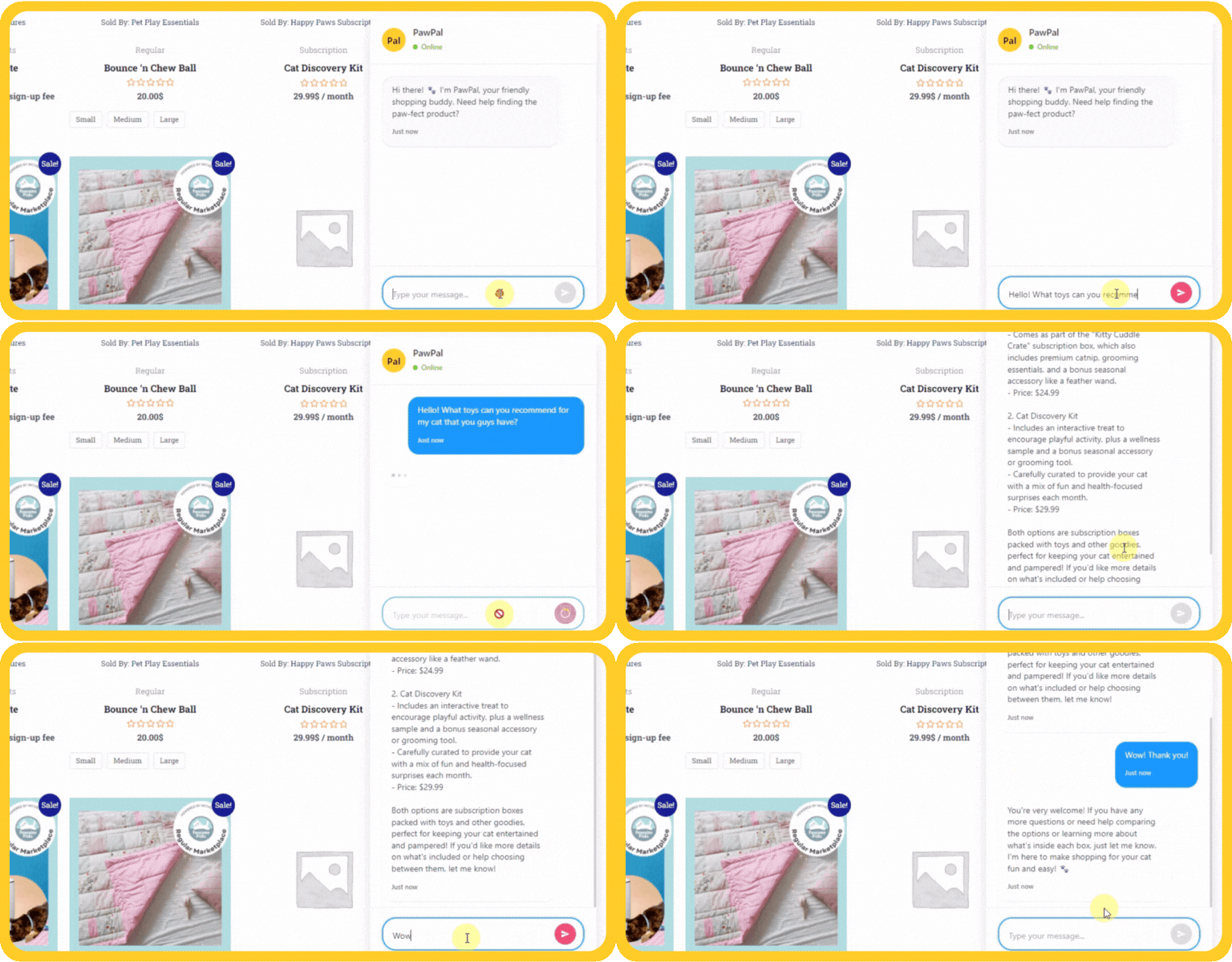
Here’s what makes different types of chatbot work differently:
- Basic chatbots only know what you program into them
- AI chatbots learn your language patterns and get better over time
- Smart bots remember what you talked about earlier in the chat
This makes AI bots feel more human. They don’t sound robotic.
6 Types Of Chatbot Explained
Let’s look at each type of chatbot. Based on my experience implementing these systems for demo stores, here’s what makes them different and when to use each one.
1. Menu-based chatbots
Menu-based bots show you buttons to click. You pick an option, and it shows you more choices. It’s like following a path to find your answer.
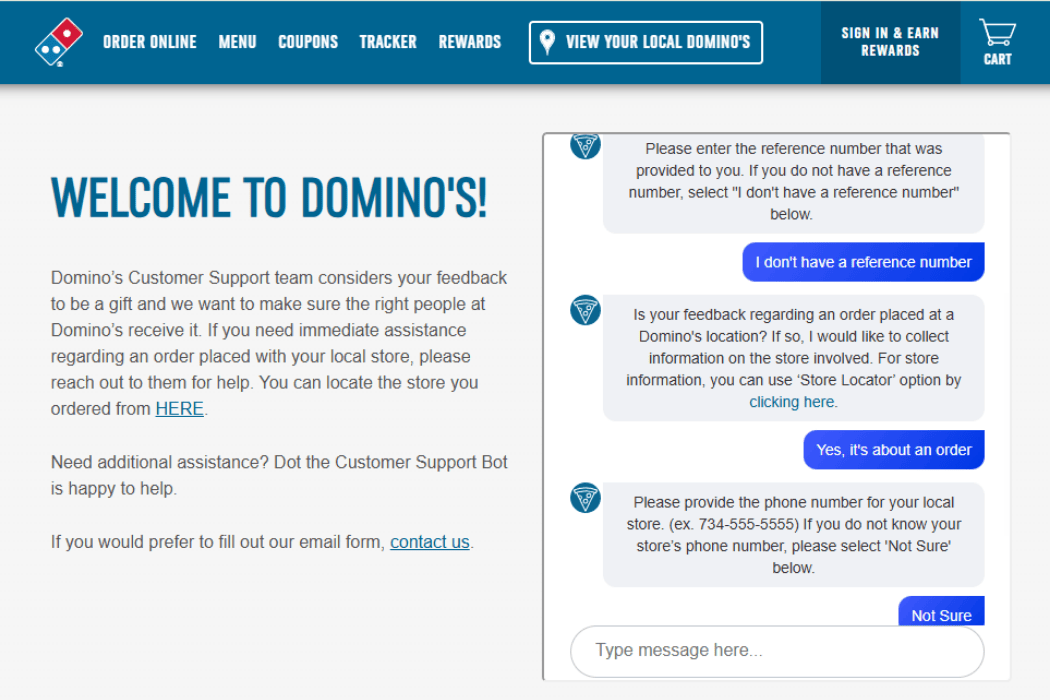
They work well for:
- Checking store hours
- Finding return policies
- Looking through FAQs
- Booking simple appointments
But here’s the problem I’ve seen repeatedly. You can only ask questions the bot already knows about. If you ask something new, it can’t help. Think of it like a phone menu, but in a chat window.
2. Rule-based chatbots
Rule-based bots look for specific words in your message. When you type “shipping,” it finds that word and gives you an answer. They’re more flexible than menu bots but still pretty limited.
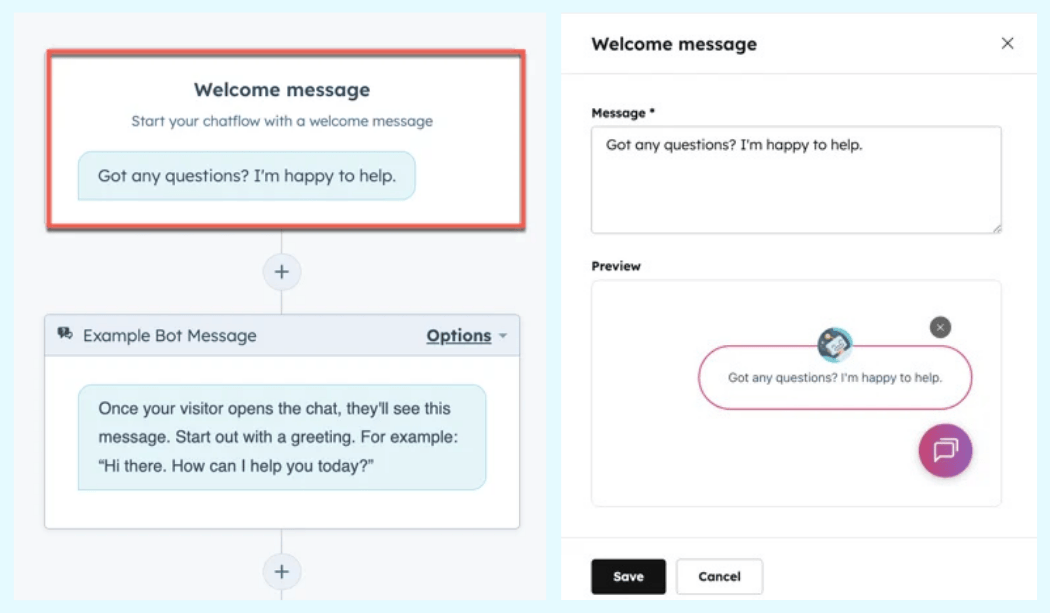
How rule-based chatbots work:
- You type a message
- The bot looks for keywords
- It matches those words to its rules
- You get a pre-written answer
These bots are good at common questions. For example, they quickly answer “What’s your return policy?” or “Do you ship to Canada?”
But they have limits:
- They don’t handle typos well
- Can’t answer two questions at once
- They forget what you said earlier
- You have to update them manually
According to Master of Code, 87.2% of consumers rate their bot interactions as neutral or positive. However, rule-based bots score lower than AI-powered alternatives in satisfaction surveys.
3. AI-powered chatbots
AI-powered bots are way smarter than other types of chatbot. They understand what you mean, not just the words you use. Plus, they get better with every conversation.
What makes AI-powered chatbots special:
- Remembers context: They know what you talked about before
- Understands intent: They figure out what you want, even if you’re unclear
- They personalize: They change their answers based on your history
- They improve: They learn from past chats
According to Jotform research, chatbots handle up to 80% of routine support inquiries.
For WooCommerce stores, StoreAgent’s WooCommerce AI Chat plugin uses AI to handle product questions. It checks your real inventory to answer things like:
- “Do you have this in blue?”
- “When will my order arrive?”
- “What’s the difference between these products?”
- “Show me items under $50”
Real-world results: In my testing, AI bots remember your whole conversation. If you ask follow-up questions, they know what you’re talking about. It feels like chatting with a helpful store employee.
4. Voice chatbots
Voice bots let you talk instead of type. You speak your question out loud. The bot hears you, figures out what you want, and speaks back to you.
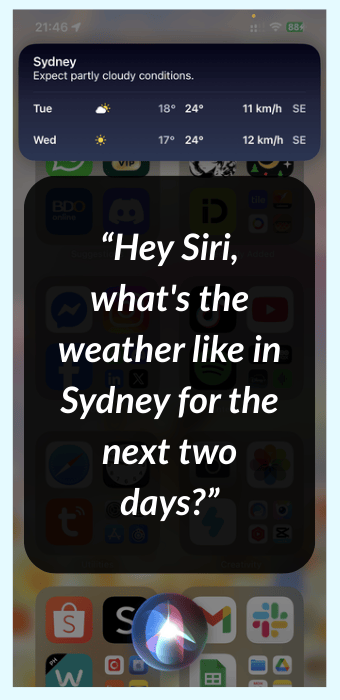
You’ve probably used:
- Siri or Alexa at home
- Phone customer service that asks you to speak
- Smart speakers
- Car assistants
Voice bots help when typing is hard. Maybe you’re driving, cooking, or carrying groceries. They give you hands-free help.
How voice chatbots work:
- The bot captures your spoken audio
- Speech recognition technology converts it to text
- Natural language processing figures out what you need
- The system generates an appropriate answer
- Text-to-speech technology turns that response into audio
- You hear the reply through your speaker or device
5. Generative AI chatbots
Generative AI bots write new answers for every question. They don’t use pre-written scripts. These newer types of chatbot can write emails, explain things, and even help with creative work.
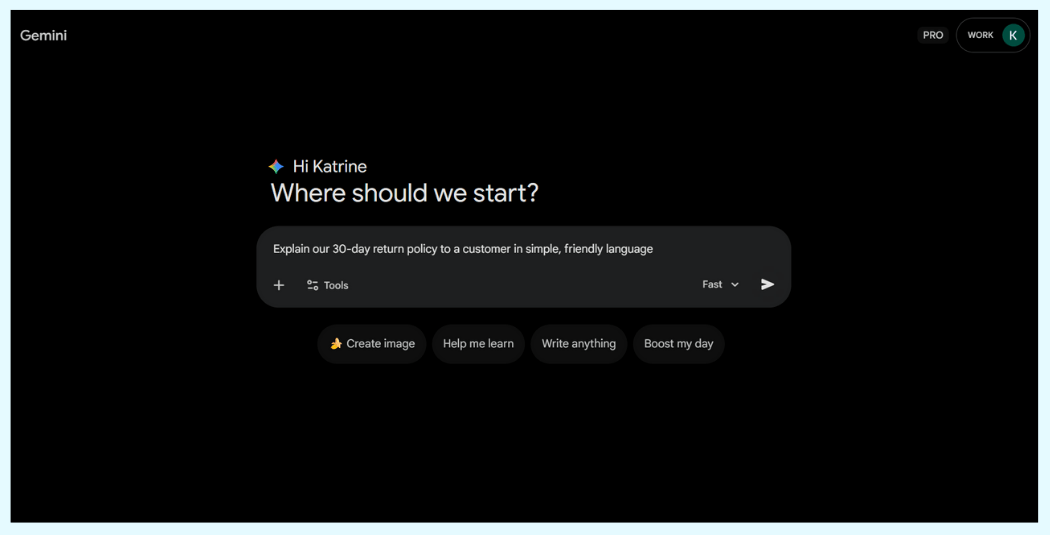
Regular chatbots pick from saved answers. Generative AI creates unique responses each time. According to Master of Code, the chatbot market is growing at 23.3% annually, driven largely by generative AI adoption.
What Generative AI chatbots do:
- Write custom product descriptions
- Create personalized emails
- Explain hard topics simply
- Make social media posts
- Match their tone to yours
Important note: You need to watch them carefully. Sometimes they make up information that sounds right but isn’t true. People call these mistakes “hallucinations.” I’ve seen this happen with product specs and pricing, which is why human oversight matters.
6. Hybrid chatbots
Hybrid bots mix rules with AI. They use rules for simple, common questions. Then they switch to AI for harder conversations. This gives you reliability and flexibility together.
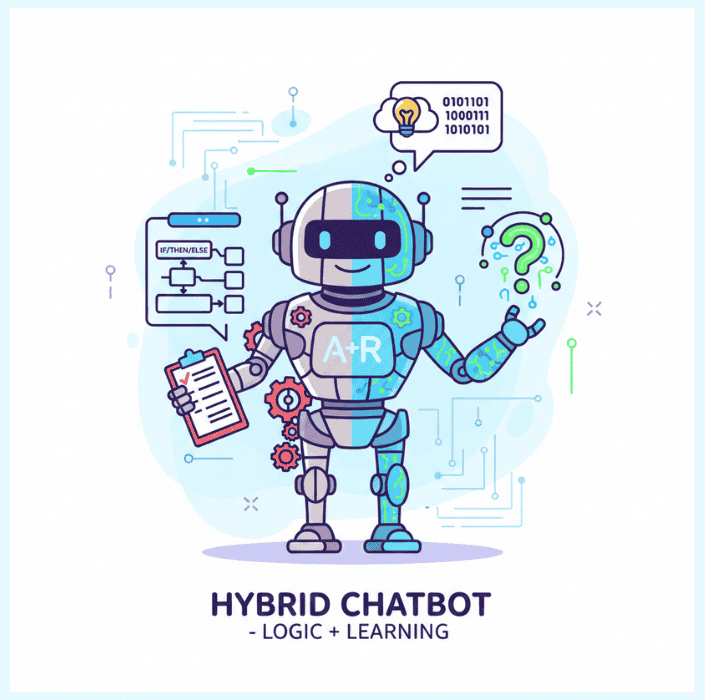
Why businesses like Hybrid chatbots:
Many companies choose hybrid bots because they control important information while still handling surprises. Based on my client implementations, here’s how they split the work:
Rules handle:
- Prices (must be exact)
- Shipping costs and policies
- Return steps
- Store hours and contact info
AI handles:
- Product suggestions
- Complex problems
- Open-ended questions
- Natural follow-ups
For instance, a hybrid bot uses rules for pricing questions. But it uses AI to recommend products. You get the best of both worlds without paying too much.
Chatbot Market Growth & Adoption
The chatbot market is growing fast. All types of chatbot are being used more and more. According to Grand View Research, the global chatbot market reached $7.76 billion in 2024 and is projected to grow to $27.29 billion by 2030, at a growth rate of 23.3% annually.
That’s significant investment from businesses seeking to automate customer interactions. Different types of chatbots are being adopted at varying rates, with AI-powered solutions showing the fastest growth in e-commerce.
Online stores lead the way. Invesp reports that online retail has a 34% acceptance rate for chatbots, the highest among all industries. That’s higher than any other industry.
Why Online Stores Love Chatbots
This makes sense from my experience. Online shoppers want answers right now, especially when they’re buying something. If they wait too long, they often leave and buy somewhere else.
E-commerce stores benefit from AI chatbots because they:
- Handle busy times without hiring more staff
- Answer questions 24/7 in every time zone
- Stop people from abandoning their carts
- Scale support without huge costs
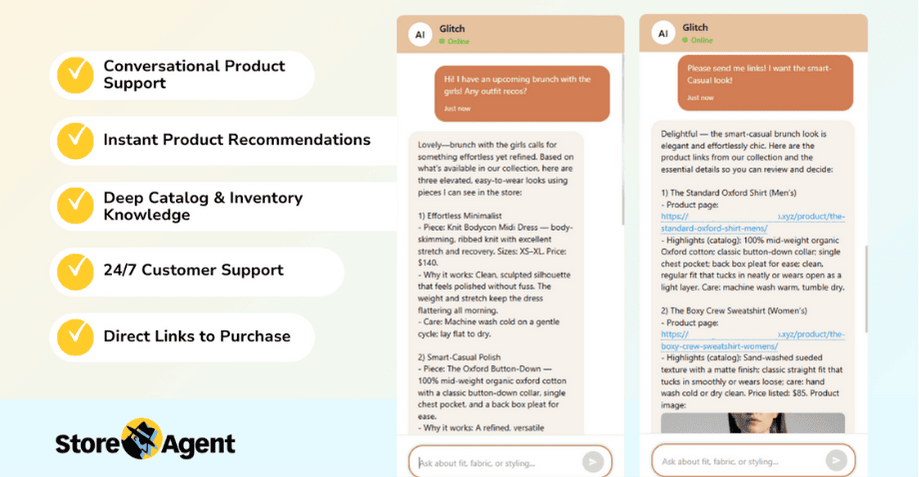
Tools like StoreAgent help online stores automate support while keeping it personal. This WooCommerce AI chatbot trains on your WooCommerce products, blog posts, and pages to answer using your actual content.
It checks real inventory and pricing, so customers get accurate responses about what’s truly in stock. As stores go global, multilingual AI like StoreAgent becomes essential for serving international customers in their own language.
Bonus Tip: Studying examples of AI chatbot success from brands like Klarna and Sephora reveals proven strategies that work. Major retailers are using AI chat to handle millions of conversations while improving customer satisfaction.
Conclusion
Now you understand the different types of chatbot available for your business. Each type has its place. Menu bots work for simple tasks. AI-powered bots handle complex conversations. The right choice depends on what your customers need most.
Here’s what we covered today:
- Menu-based chatbots
- Rule-based chatbots
- AI-powered chatbots
- Voice chatbots
- Generative AI chatbots
- Hybrid chatbots
If you run an online store, AI chatbots make the biggest difference. They answer “Do you have this in my size?” by checking your actual stock. They tell customers “Your order ships tomorrow” by looking at real data. This level of help turns visitors into happy customers.
Want to try it yourself? Visit our live demo site and chat with an AI bot in action. When you’re ready to add one to your store, check out StoreAgent’s pricing options. Most store owners get their bot running in under 30 minutes.
Frequently Asked Questions
How much does it cost to add a chatbot to my website?
Chatbot costs vary by type. Menu-based and rule-based bots start at $20-50 per month. AI-powered chatbots range from $50-200 monthly for small businesses. Custom enterprise solutions can cost $10,000+ upfront. No-code platforms like StoreAgent offer AI chatbots at affordable monthly rates, making advanced technology accessible to small stores.
What happens when a chatbot can’t answer a customer’s question?
The best chatbots include human handoff that transfers tough issues to your support team. AI-powered and hybrid types of chatbot detect when they can’t help and automatically escalate the conversation. Look for platforms that let customers request a human agent anytime and notify your team immediately when escalation happens.
How long does it take to set up a chatbot on WooCommerce?
Setup time depends on the type you choose. Rule-based bots take 1-3 hours to configure manually. AI-powered no-code platforms work much faster. Modern plugins like StoreAgent automatically scan your products and train themselves. Most store owners finish basic setup in 15-30 minutes.
Are chatbots secure enough to handle customer data?
Yes, when you choose reputable platforms that follow data protection standards. Secure chatbots use encryption and comply with GDPR and CCPA regulations. Look for platforms that store data securely, offer data deletion, and explain how they handle information. Never use bots that ask for payment details directly in chat.
Can I use a chatbot if I already have live chat support?
Absolutely. The best approach combines both. Chatbots handle common questions 24/7 while your team focuses on complex issues. Configure your bot to answer routine questions like shipping policies or stock availability. Then set it to transfer complicated cases to live agents. This reduces workload while ensuring customers get help.